One Year of Fear in the Dominican Republic
Immigration plan to deport ‘10,000 Haitians a week’ leaves communities reeling
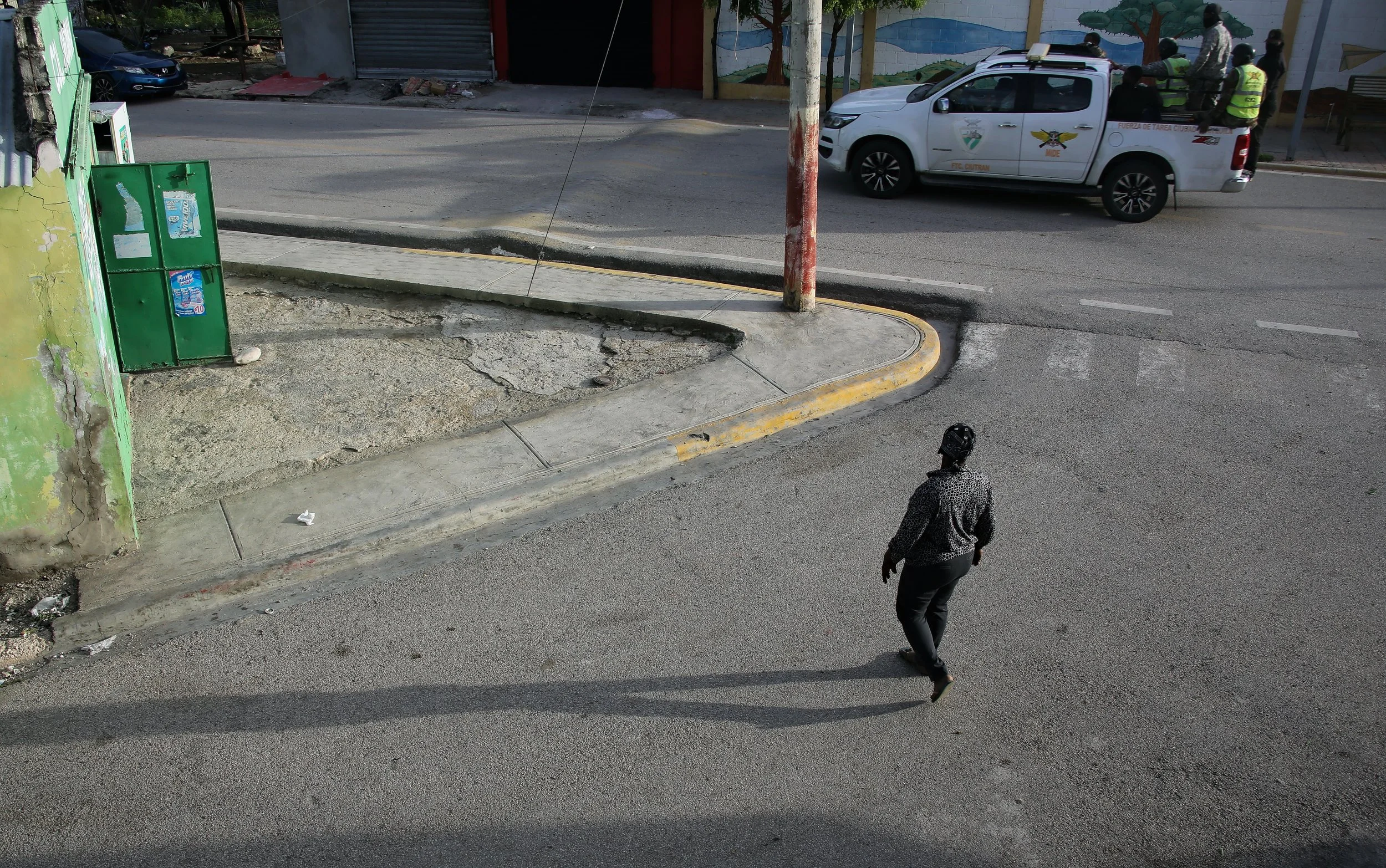
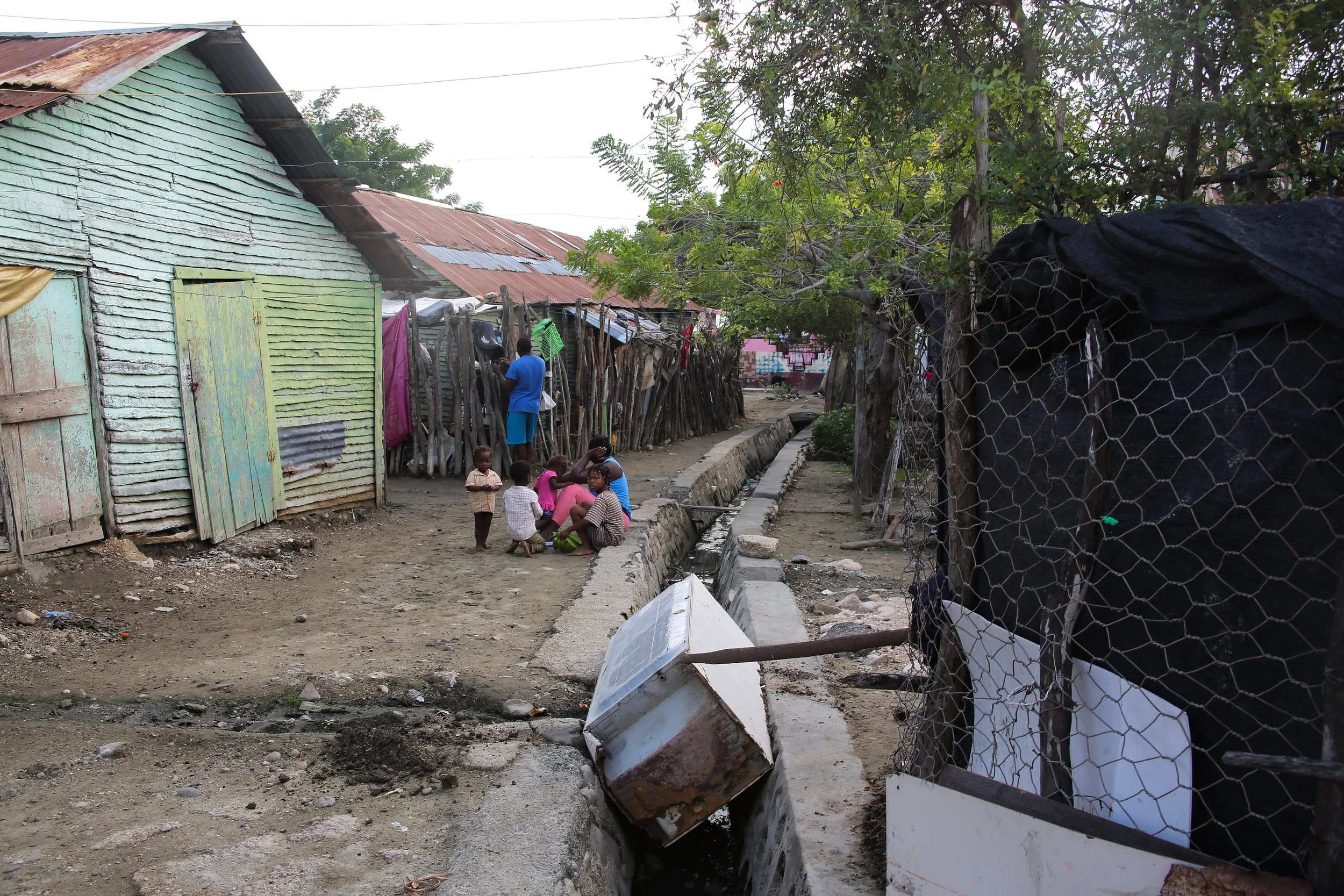
November 2025 — The raid started at sunrise. Angela, 28, watched from her grandmother’s doorway as two white pick-up trucks with dozens of Dominican immigration police drove into their small batey in the southwest of the Dominican Republic. Screams filled the air as two vans outfitted with cages parked just outside the community entrance.
“Get inside,” Angela’s grandmother Nanci shouted, closing the door. Angela peered from the window as her neighbors were led out of the community and into the caged trucks, before disappearing down the road.
This is what life in the Dominican Republic is like since the government unveiled a plan to deport 10,000 people each week, in response to increasing gang violence and a humanitarian crisis from neighboring Haiti. The United Nations estimates 200,000 people were deported in 2024, and over 370,000 in 2025, according to official data.
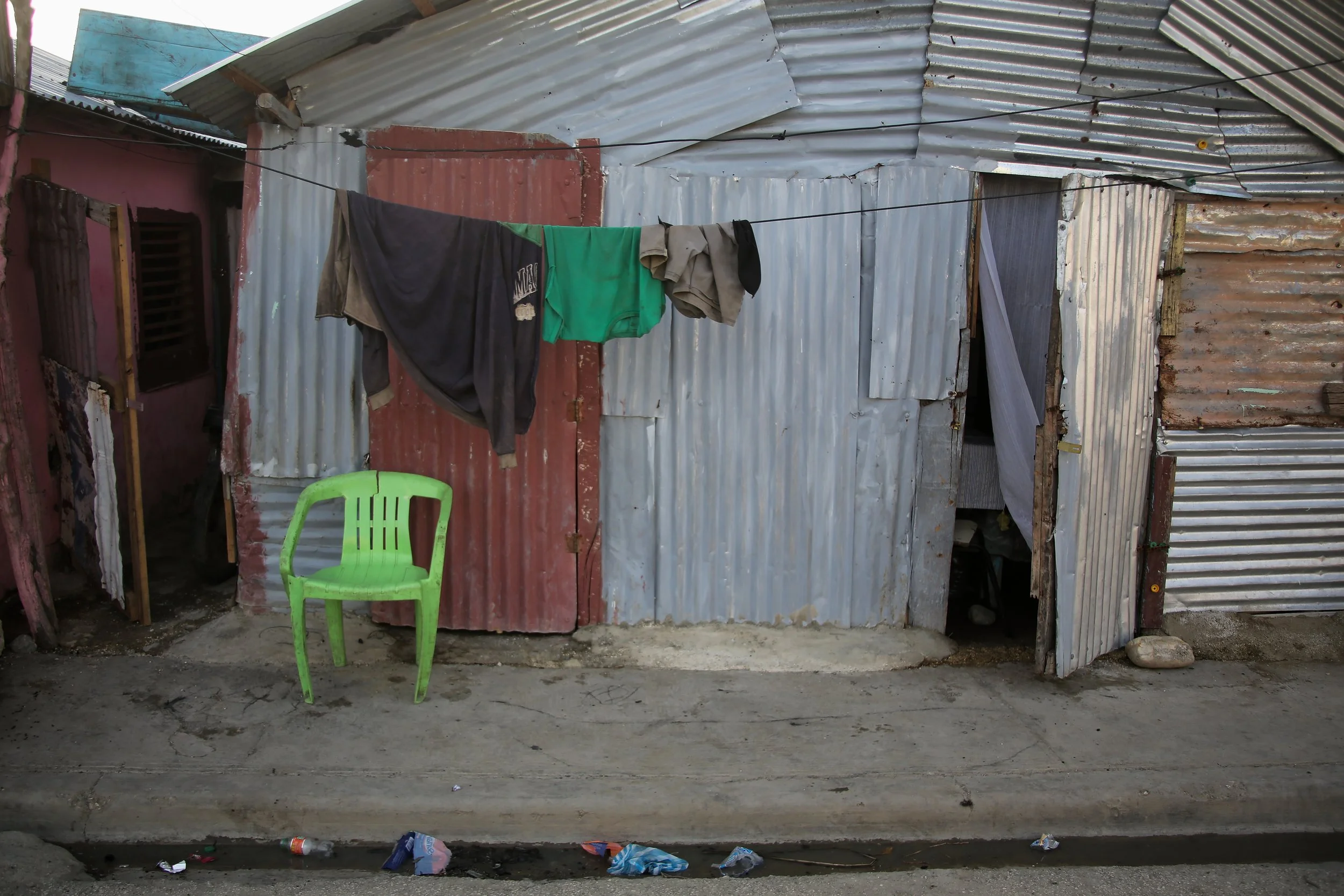
Haitian migrants are not the only targets. The Dominican Republic is home to the largest stateless population in the Western Hemisphere, formed from a 2013 court order retroactively stripping citizenship from an estimated 200,000 Dominican nationals of Haitian descent. Many of them live in bateys, small, impoverished communities built around sugarcane fields, and have faced immigration raids for years.
But the number of raids in 2025 is unprecedented, and the batey is on constant alert. A passing immigration truck sends kids running and screaming down the street; residents have reinforced wooden fences around their homes; and some people have stopped leaving the batey altogether.
“They won’t come all the way in,” said Nanci, who lives just at the entrance of the batey. “They wait for people on the main road and grab them, day, night, any time. They don’t even check papers, they’ll just grab you.”
The threat of detainment is omnipresent, even for Angela, who was born in the Dominican Republic. She works at the nearby school, leads church activities, and coordinates with the local NGOs to distribute food in the batey.
Despite having her documentation, she faces constant immigration stops.
“It’s because I am dark-skinned. They think I am Haitian, illegal. But I have my papers, I was born here,” said Angela.
A once simple trip to the market, hospital, or university has now become a risk.
“Don’t let them snatch you,” her mom said, as Angela flagged down a motorcycle taxi to the nearby town for market day. She checked her pocket for the third time to be sure she had her national ID card.
“One day, they are just going to take me,” she said, laughing.
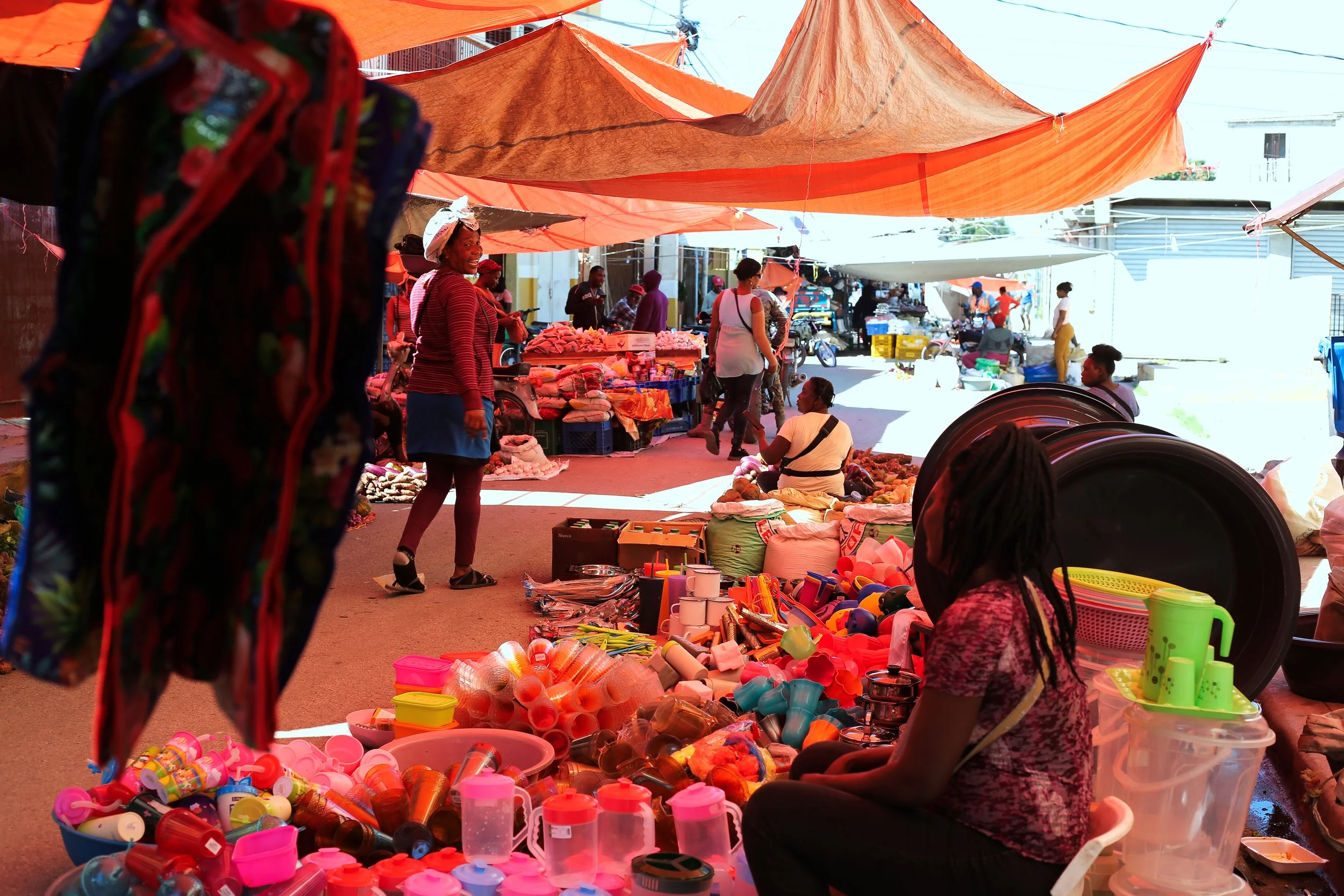
The ride into town was filled with anxiety. According to the driver, immigration had already conducted raids early in the morning and would not return that day. The market was emptier than usual; news of the raid had spread.
“Immigration came this morning when we were setting up and now everyone stayed home,” said Maria, a local fruit vendor. “They’re too afraid to come out and shop. I’ve barely sold anything.”
“It’s just how it is here,” said Yosef, another vendor who sells clothes.
Angela arrived home relieved, but the feeling was short-lived.
Later in the day, a friend asked her to join to pick up his wedding photos from a nearby community. They chatted happily in the front seat, driving down the main road when lights started flashing behind the car.
“Are your seatbelts on?” he asked us, as two motorcycles pulled behind him and the immigration checkpoint came into view.
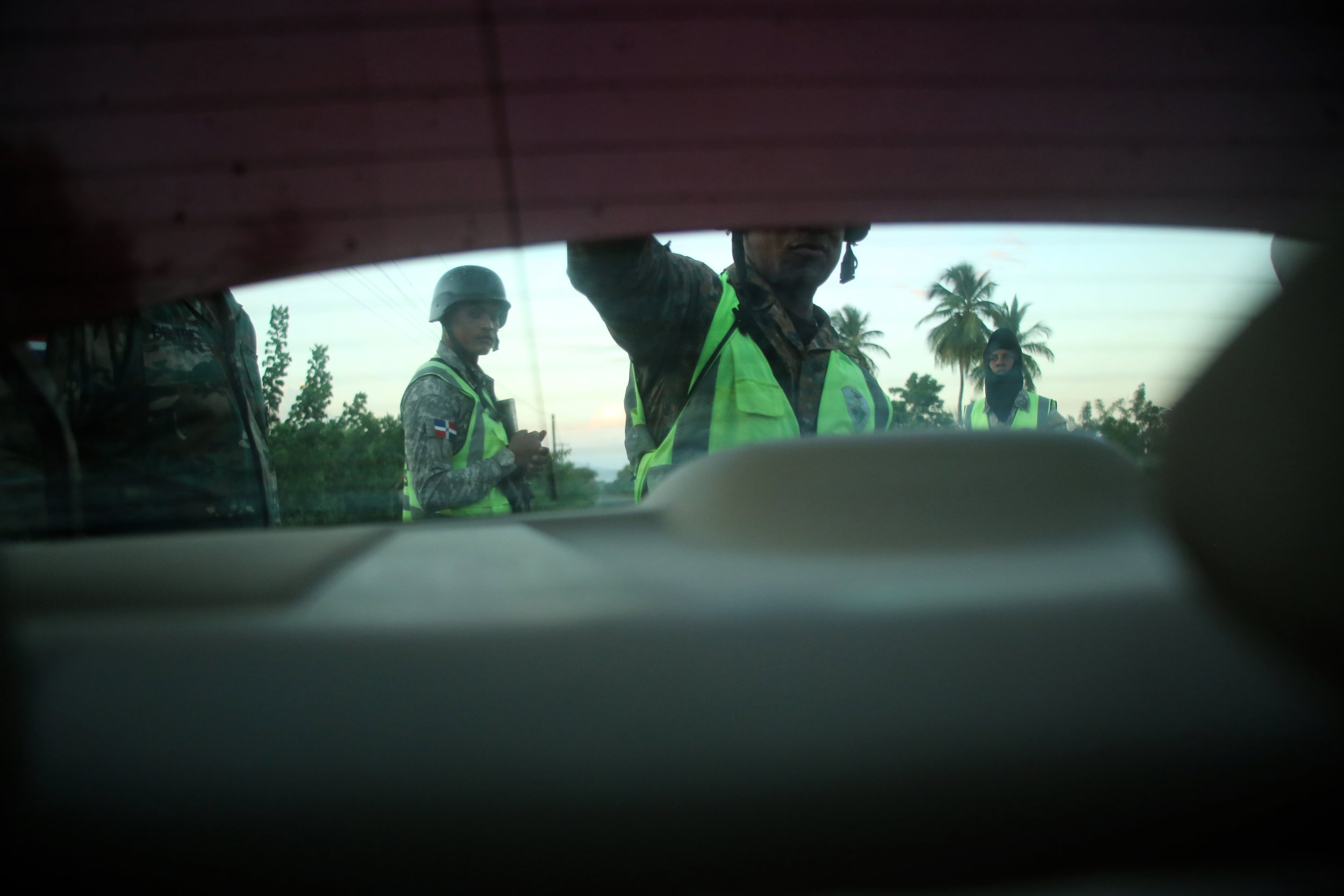
He slowed to a stop and seven police surrounded the car, opening the front door, demanding he get out. As they searched the trunk, more agents came around to Angela’s side.
“Are you Dominican?” one asked Angela, leaning through the front window. She froze. “Are you Dominican?” he repeated. “Where are the drugs?”
He reached over her into the car and opened the glove box, rifling through as he stared into her eyes, when he noticed me in the backseat.
"Oh, there is a Señora back here,” he said, ducking out of the window. Two other immigration agents peered into my window, concerned. They did not ask to see my documents.
After several more minutes of interrogation, they announced we could leave.
“They just wanted money. Did you hear them ask that other guy for 100 pesos?” her friend said, pulling away. The ride back to the batey was silent, the only noise from the occasional beeping of the seatbelt reminder.
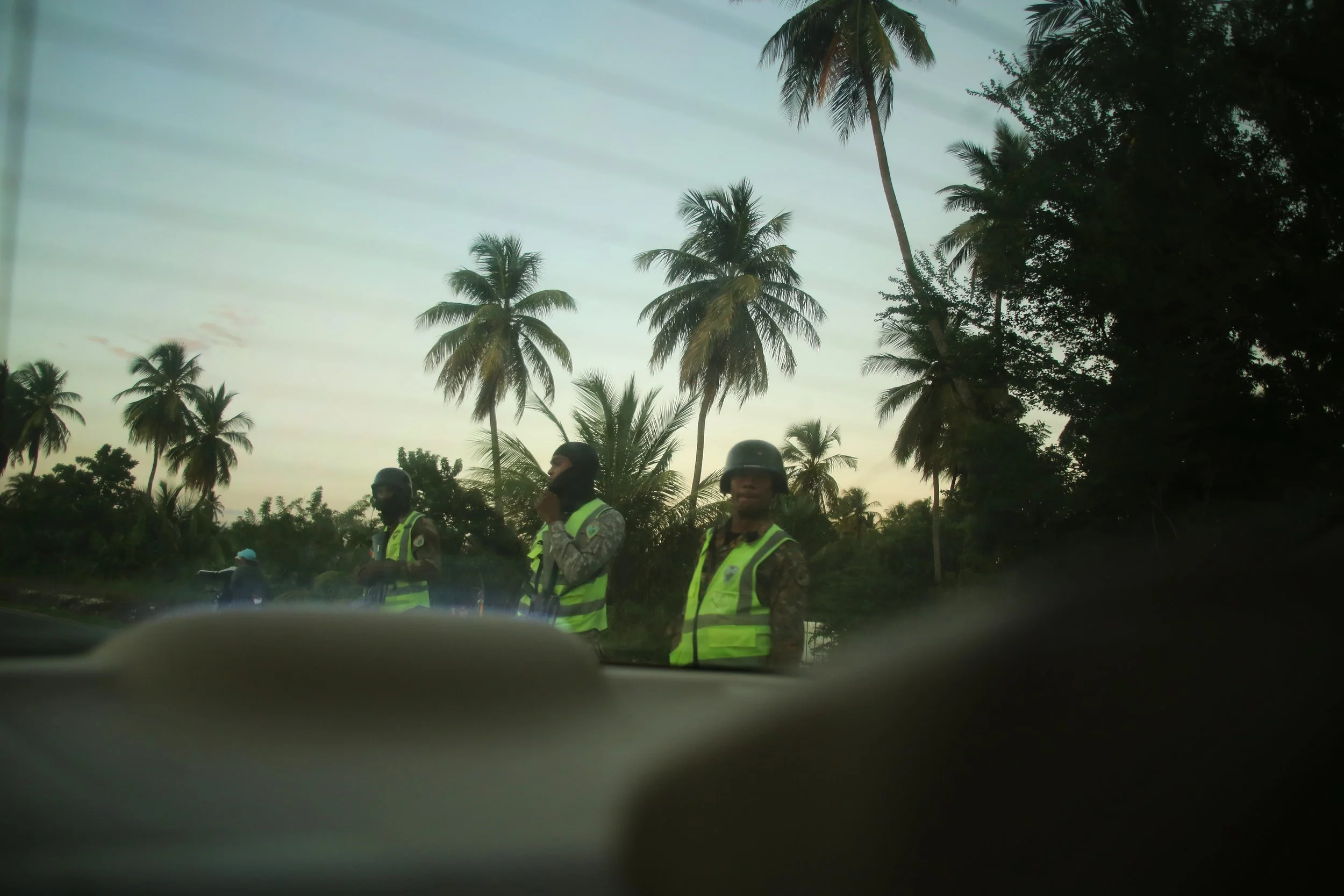
Bateys are not the only communities facing stops and raids; there are whispers of detainments and anti-Haitian sentiment across the island.
“[Dominicans] say us Haitians are lower than dirt. They don’t see as us people, we are dogs to them. They ask me if Haitians have houses and food. If they have avocados and mangos,” said Viola, a Haitian migrant who has lived in the Dominican Republic for the past eight years. “I have my papers, so they [Immigration] haven’t taken me. But it is hard out here. Immigration patrols and kidnaps people every day.”
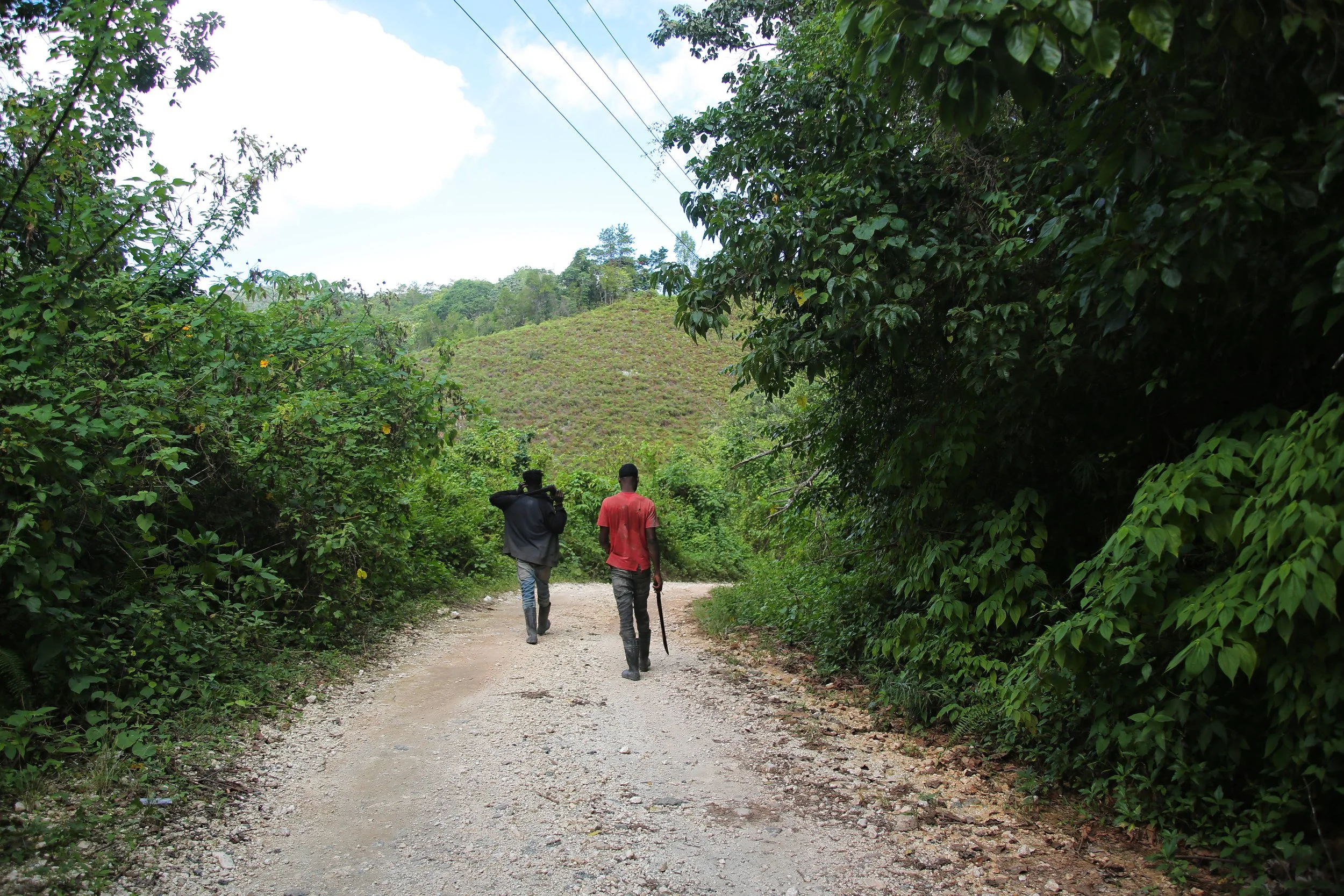
In the country’s mountain villages, migrant workers and stateless Dominicans no longer leave, choosing instead to walk through the steep, tropical landscape to avoid the main roads.
“The problem is, there are taking people who have lived here for thirty something years, without even checking their documents,” said Raylin, a local business owner.
In Santo Domingo, avoiding immigration patrols is more difficult.
“What happened to your friend? The one who lived around the corner?” asked a woman working a hotel in Santo Domingo.
“They picked him up. He’s in La Haina now,” said the security guard at the same hotel.
People who are detained are sent to La Haina, the island’s largest detention center sitting a few hours outside the capital city. Along with accusations of overcrowding and human rights violations, there have been at least three recorded deaths in the detention center: an American woman, a Haitian newborn, and a Haitian woman.
Reports from the International Organization for Migration and Amnesty International say the immigration policy targets vulnerable groups, sending children and pregnant women back to an unstable Haiti. Other rights groups have accused the Dominican authorities of enacting a racist immigration policy that invokes a wider, historical trend of anti-Haitian discrimination that runs rampant in the Dominican Republic.
Dominican President Abinader has consistently defended his policies, and said the Dominican Republic “will continue to protect its territorial integrity and enforce its national migration laws,” as well as continue the construction on a border wall with Haiti.