Dominican Government Collects
Biometric Data at Border With Haiti
“They [immigration] want power. Control. But we just want to sell our shoes.”
November 2025 — The sharp crack of a taser cut through the bustle of the Pedernales border market in the Dominican Republic. A Dominican immigration agent brandished his weapon, chasing several men who tried to cut the long line from Haiti into the DR.
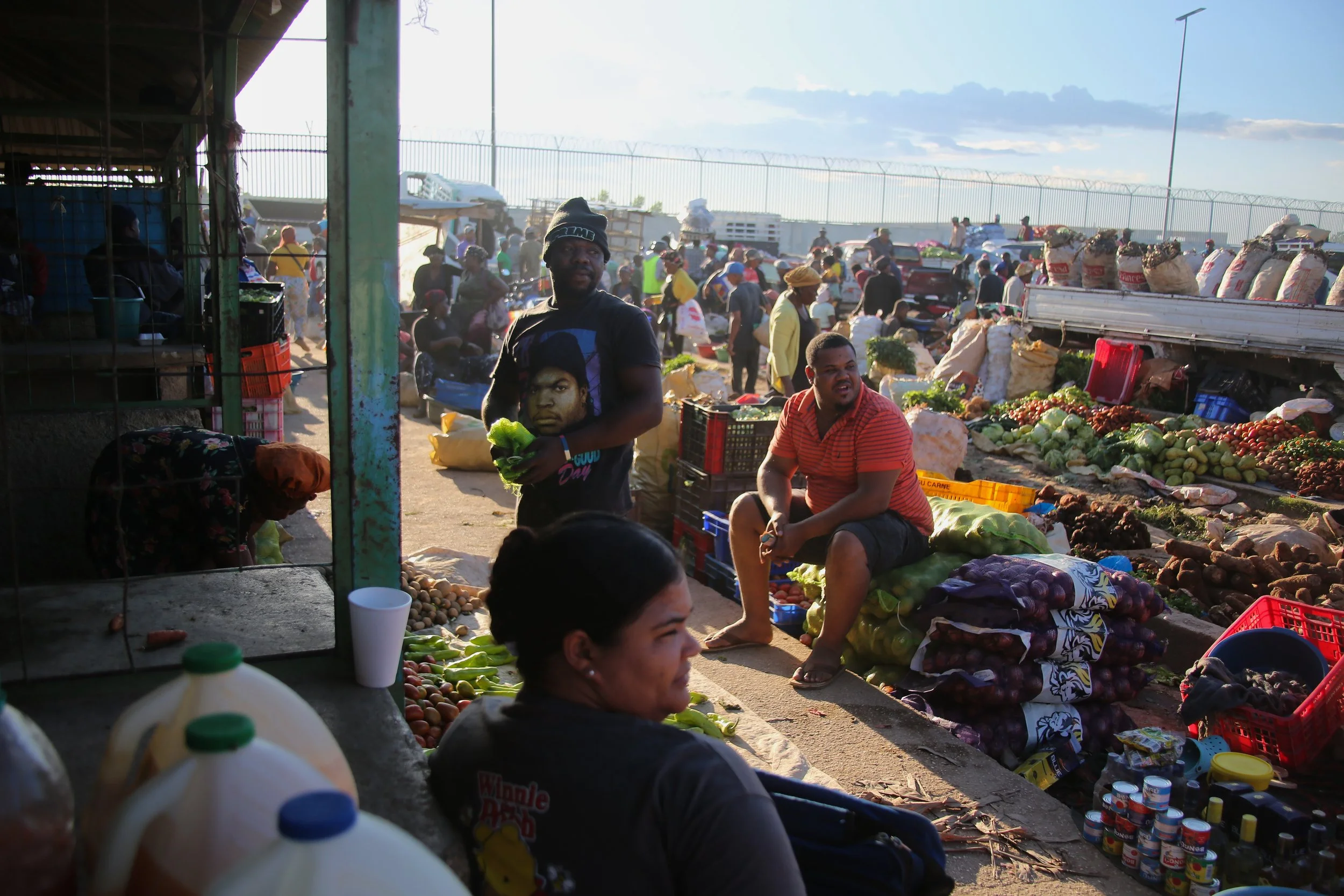
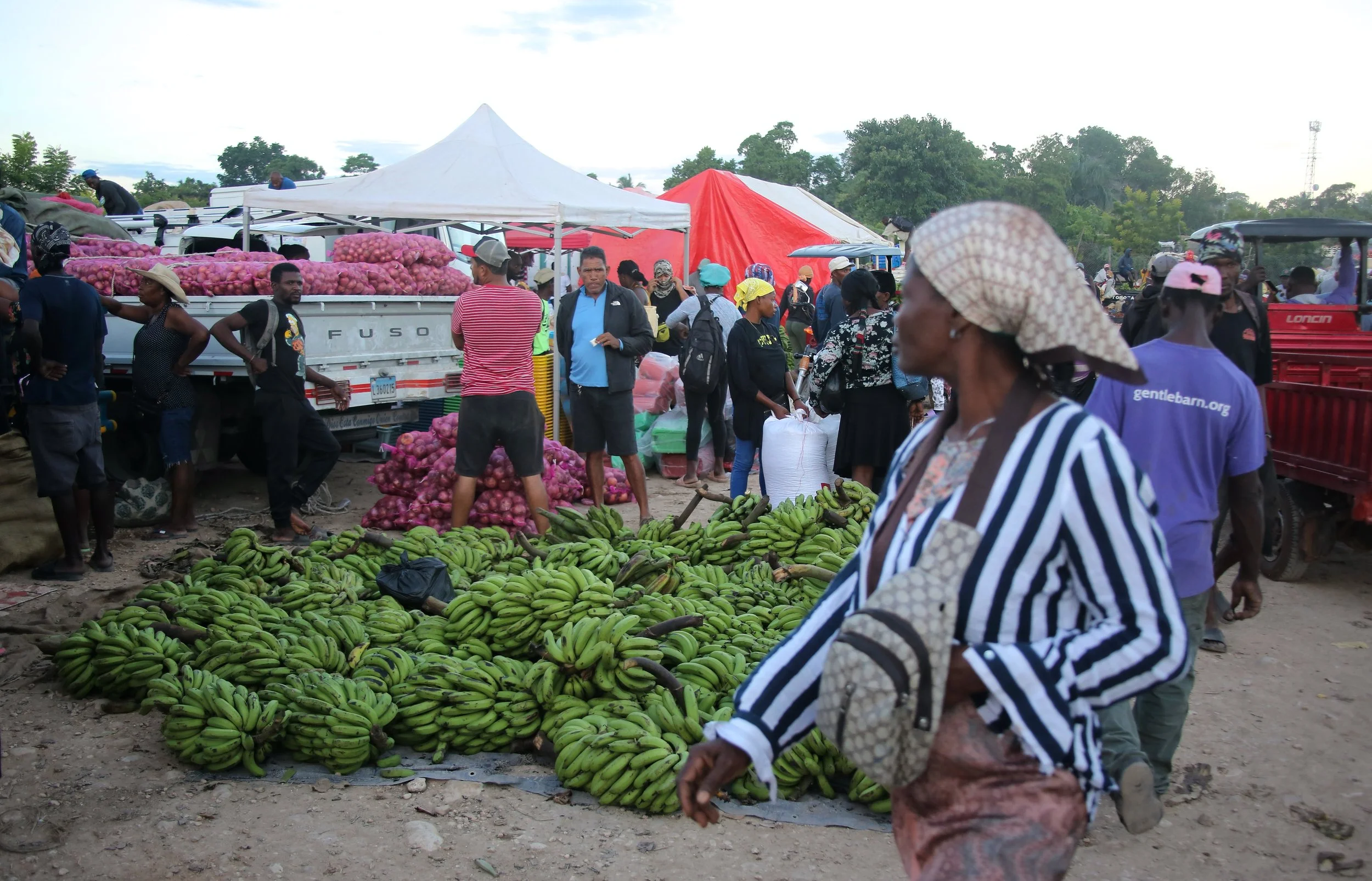
Mondays and Fridays are busiest at this crossing between Pedernales and Anse-à-Pitres, located at the southern most point of the DR and Haiti. It’s one of four official gates between the two Caribbean nations, and for decades, served as the only doorway to a bi-national market, one of several along the border. These markets are vital for local economies, providing a space for Haitians and Dominicans to engage in trade and commerce, attracting hundreds of vendors and buyers from both countries.
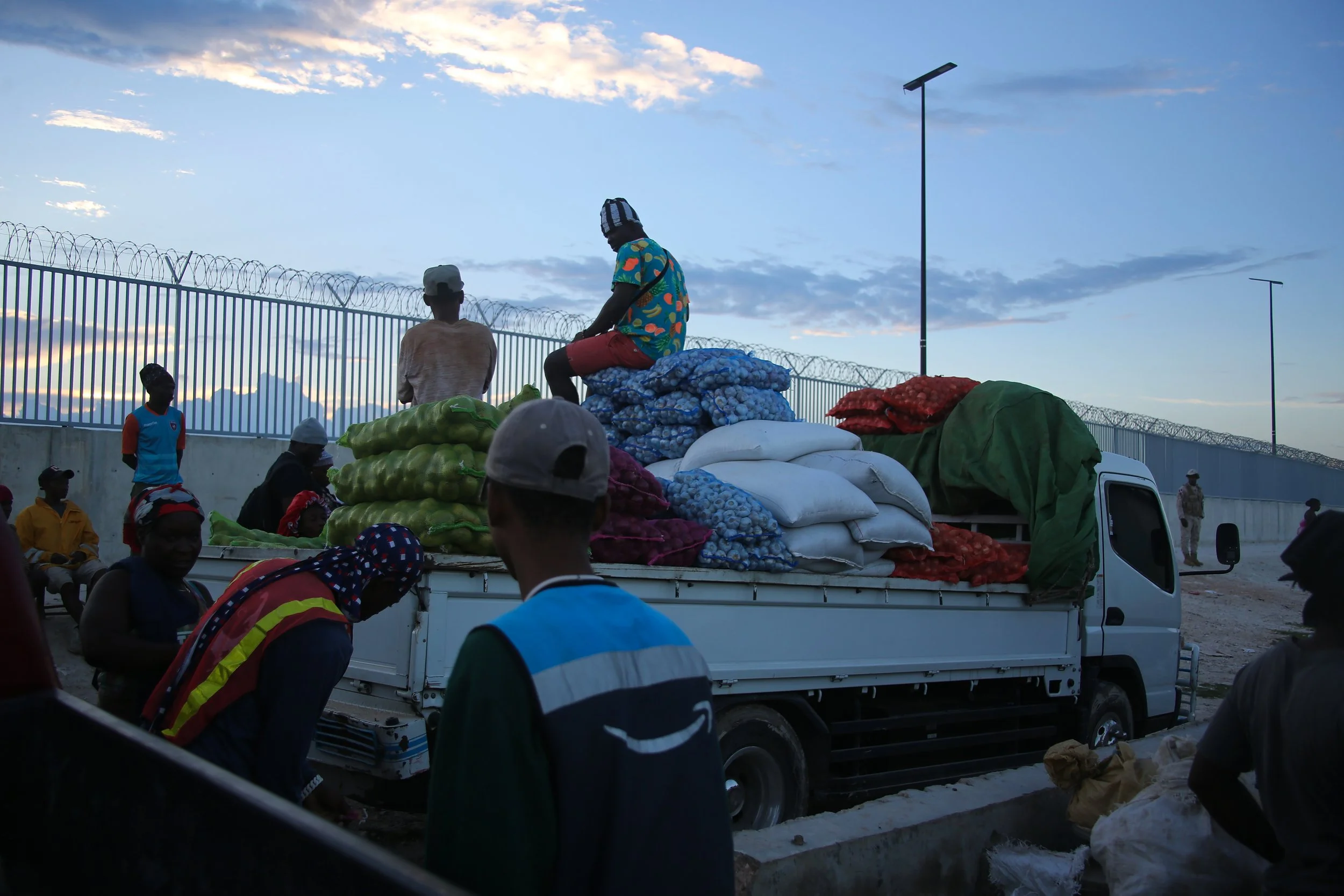
For those crossing from Haiti, market day begins hours before sunrise, hauling piles of clothing, vegetables, and other merchandise via trucks, motorcycles, and balanced on heads across a dried riverbed to the border. But with each passing year, crossing into the DR has become more difficult.
First came the updated border wall in 2022, made from concrete fitted with a chainlink fence and barbed wire, towering over the market, outfitted with cameras, motion sensors, and drones, according to the government. Then came mandatory fingerprint scanning, and an influx in immigration agents and military equipment.
In August, the latest update was announced, a pilot program in Pedernales worth millions: mandatory biometric facial recognition registration for foreigners participating in binational markets. If successful, the program will expand across the border.
“We want to know who is coming into our country,” an immigration agent said at the crossing. “Have your documents ready.”
The increased border security comes on the backdrop of a deepening crisis in Haiti. Unprecedented gang violence and a humanitarian crisis has displaced millions by United Nations estimates, and sent tens of thousands of people fleeing into the DR and abroad.
In response, Dominican president Luis Abinader announced several immigration initiatives aimed at the “influx” of Haitian migrants. Among them, a plan to deport 10,000 Haitian migrants per week and increased militarization of the border.
For those wishing to enter from Haiti, they must scan their fingerprints and join another line to have their documents checked. The process can take hours and has long been criticized by for corruption and abuses.
At the community level, there are mixed feelings to the increased militarization of the border. Maria, a Pedernales resident, shops at the market every Friday and Monday.
“I have been going to the market for years, it’s a part of the community. Everything is much more affordable and you can buy anything you need. But there’s been a lot of changes to the area lately, and it feels much safer now, much more secure,” she said.
But for Lily, also a Pedernales resident and vendor for 24 years, would rather the funding went elsewhere.
“I think the market is worse now. Less people are coming, there’s a lot more security and police, which makes people nervous, and all of this [technology], and there’s no running water in the bathrooms. There used to be water.”
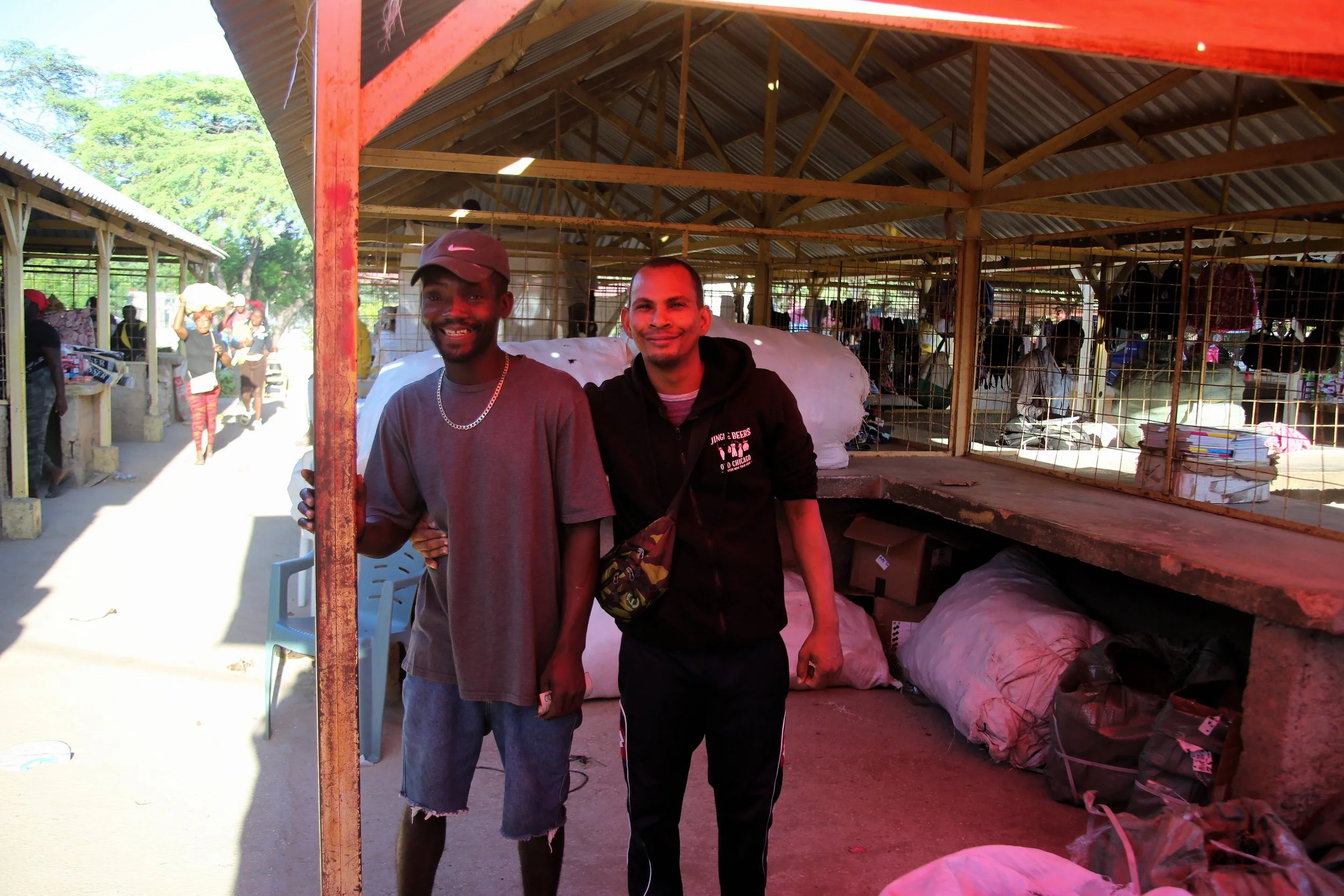
Rey, from Pedernales, and Leonette, from Anse-à-Pitres, have a stall together at the market, selling shoes and large bottles of soap.
“We’ve been selling together for a long time. He’s my good friend and from across the border too. But sometimes we have to wait a while for him to cross over to start selling,” said Rey.
“They [immigration] want power. Control. But we just want to sell our shoes,” said Leonette.
All of this is also happening under immense change in Pedernales. In the past year, an international cruise port has opened, bringing thousands of tourists to this once isolated area, as well as millions of dollars worth of resort investments and an international airport, currently under construction with labor from Haitian workers. Meanwhile just across the border, Anse-à-Pitres is falling behind, and so are the vendors who rely on this market as it becomes increasingly difficult to enter the DR.