What Goes Up
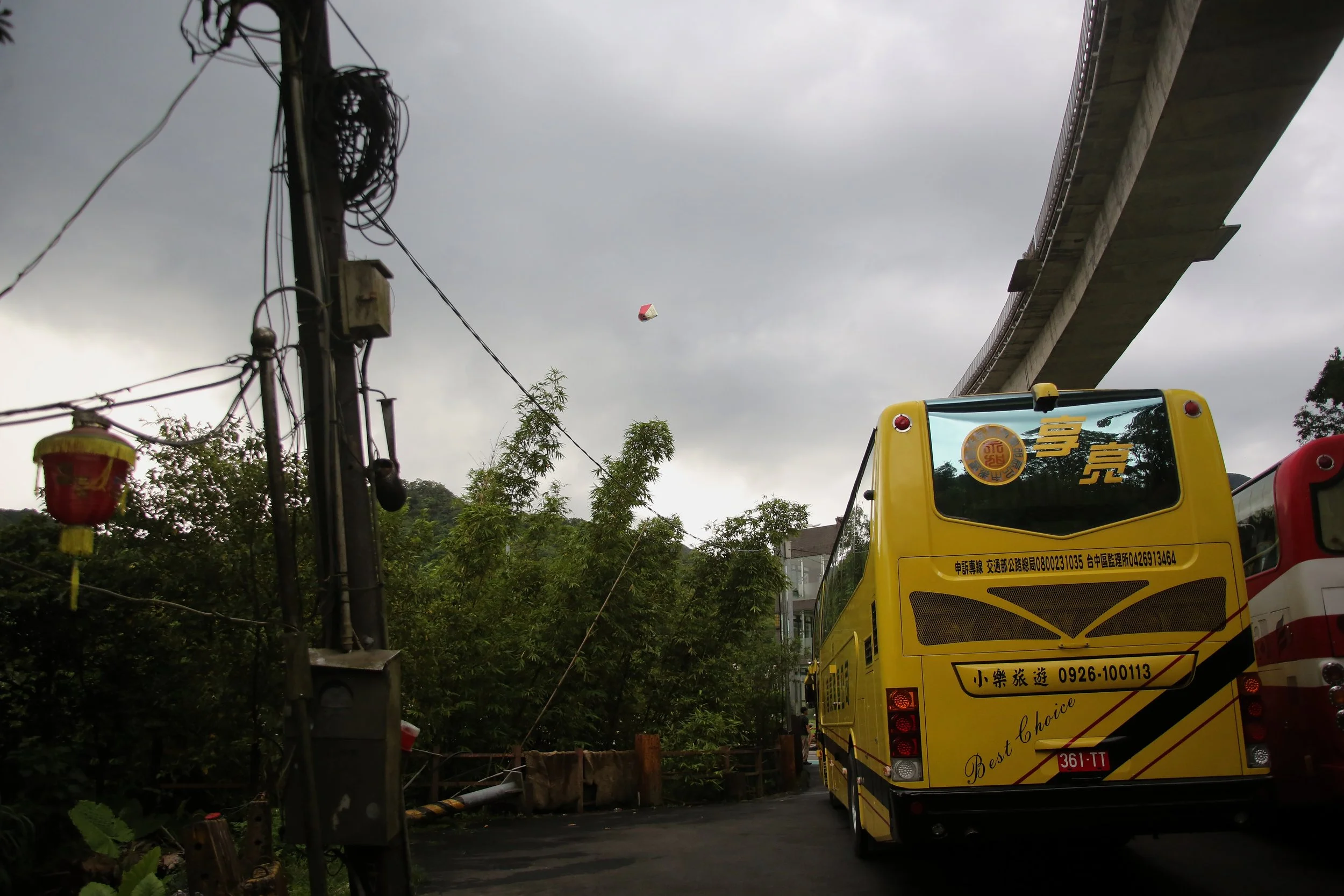
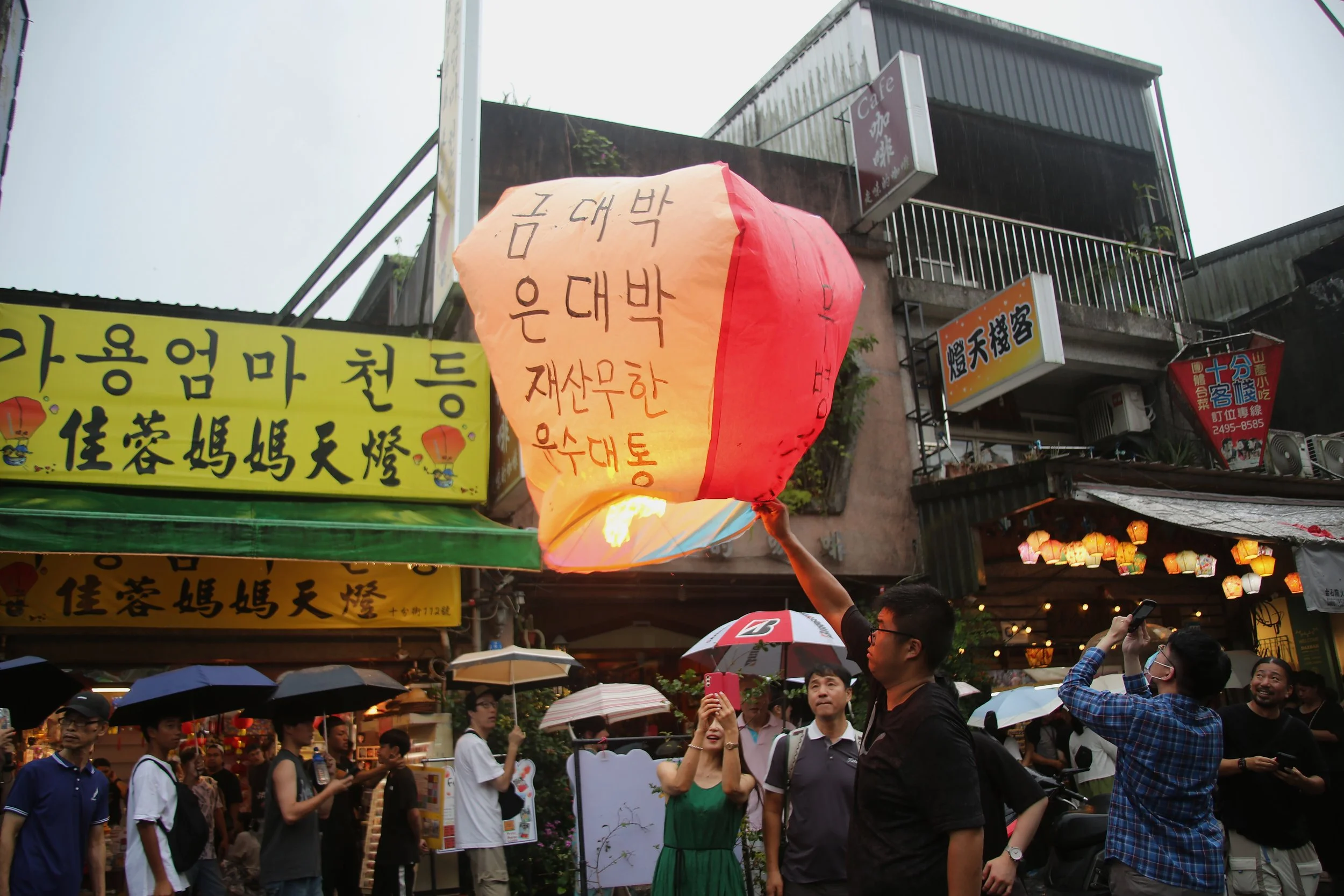
A small, mountain village called Shifen 十分 just outside of Taipei is the setting for one of Taiwan's most popular tourist activities: writing wishes/hopes/dreams on large lanterns and releasing them into the sky. An estimated 30,000 lanterns are released every month, bringing in nearly 2 million USD annually to the community of less than 5,000 residents.


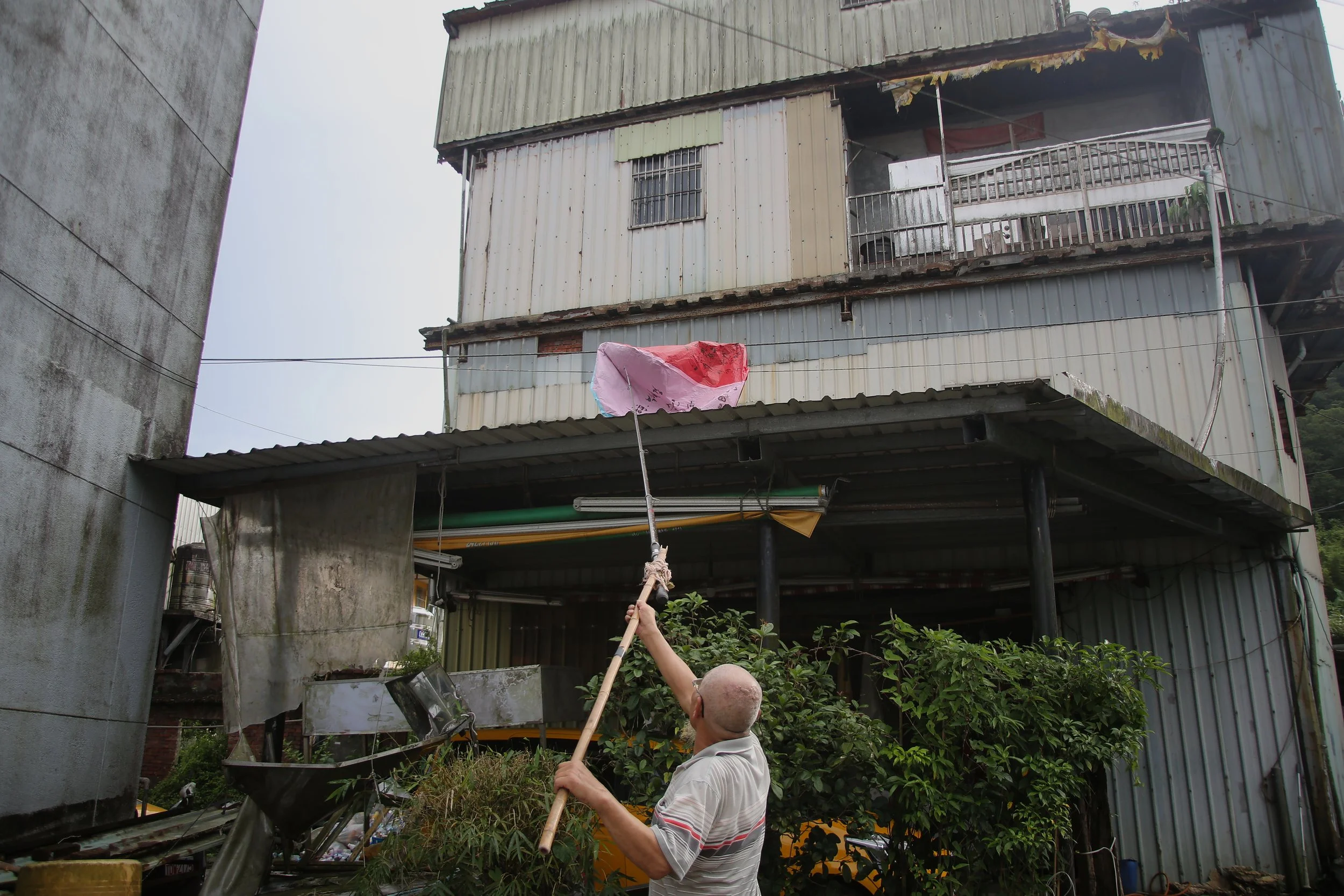


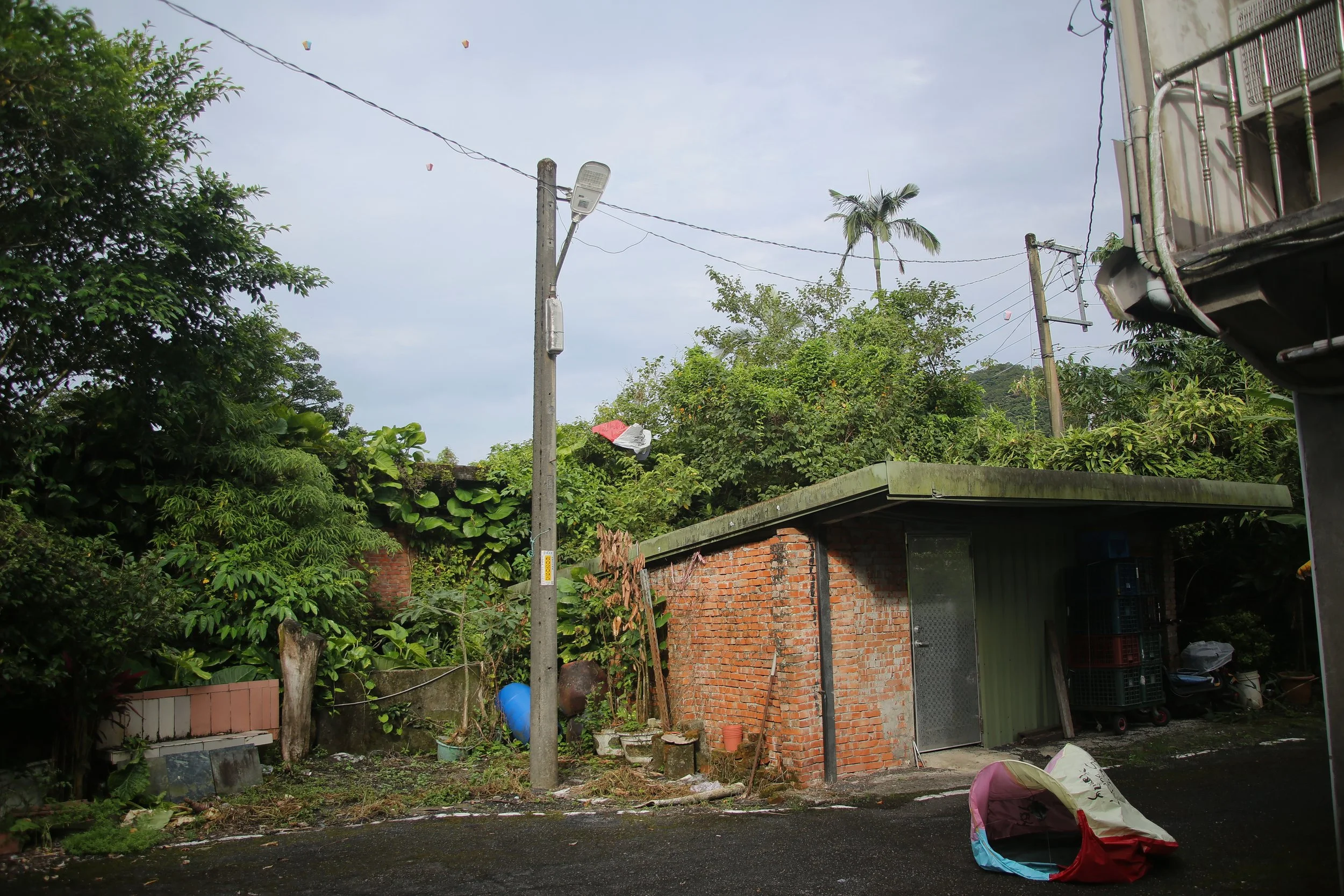
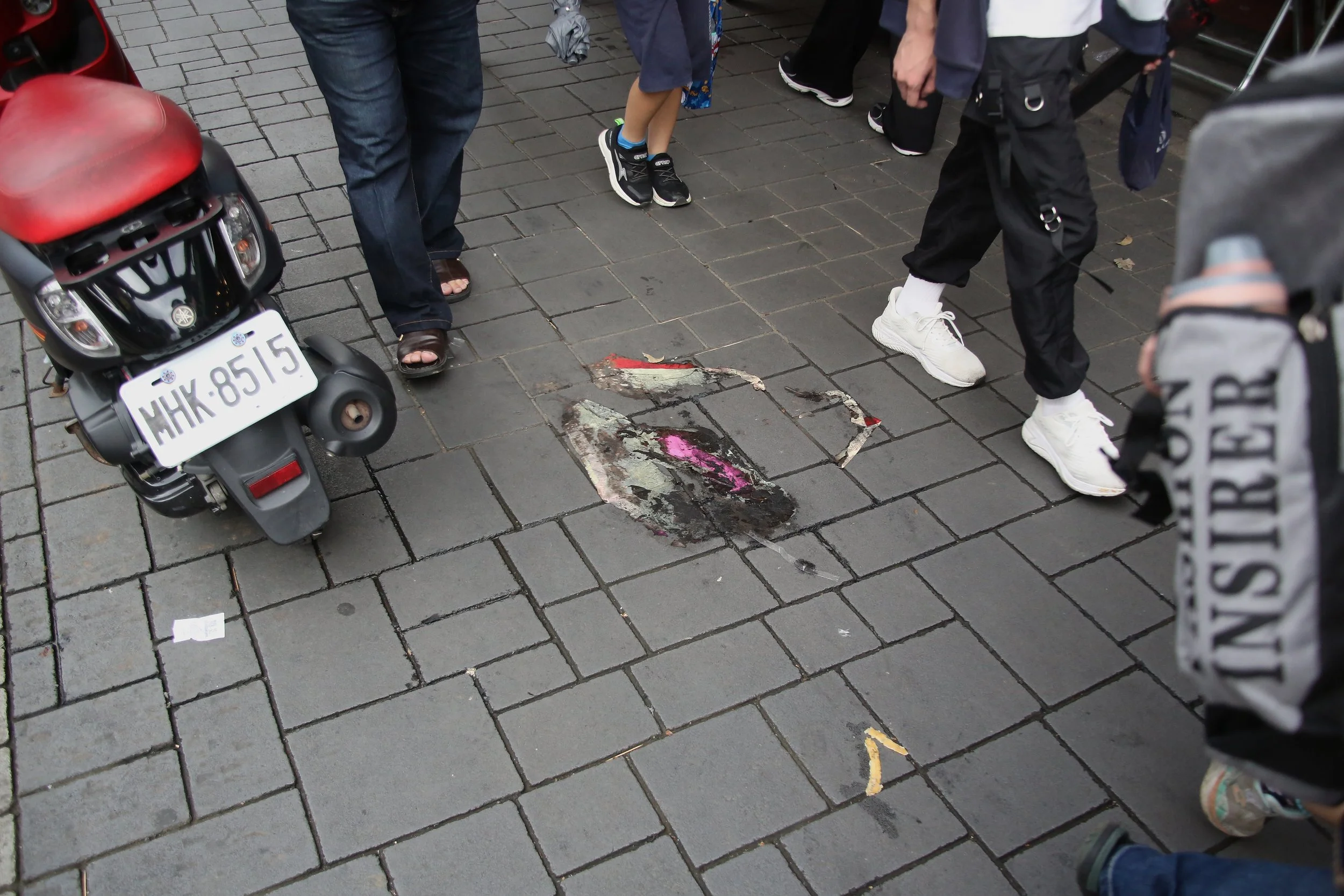
The activity has faced years of criticism from Taiwanese politicians and environmental groups who accuse the lanterns of creating pollution and fire hazards, which local leaders deny.
To combat this, local groups and the government have introduced "eco-friendly" lanterns and offered incentives for lantern retrieval and recycling. But the eco-lanterns are more expensive, not as popular, and have faced resistance from local businesses. Similarly, Pingxi is home to one of the oldest and least populated areas in Taiwan, with nearly 30% of the population over the age of 65, making the retrieval of lanterns in hard-to-reach areas difficult.



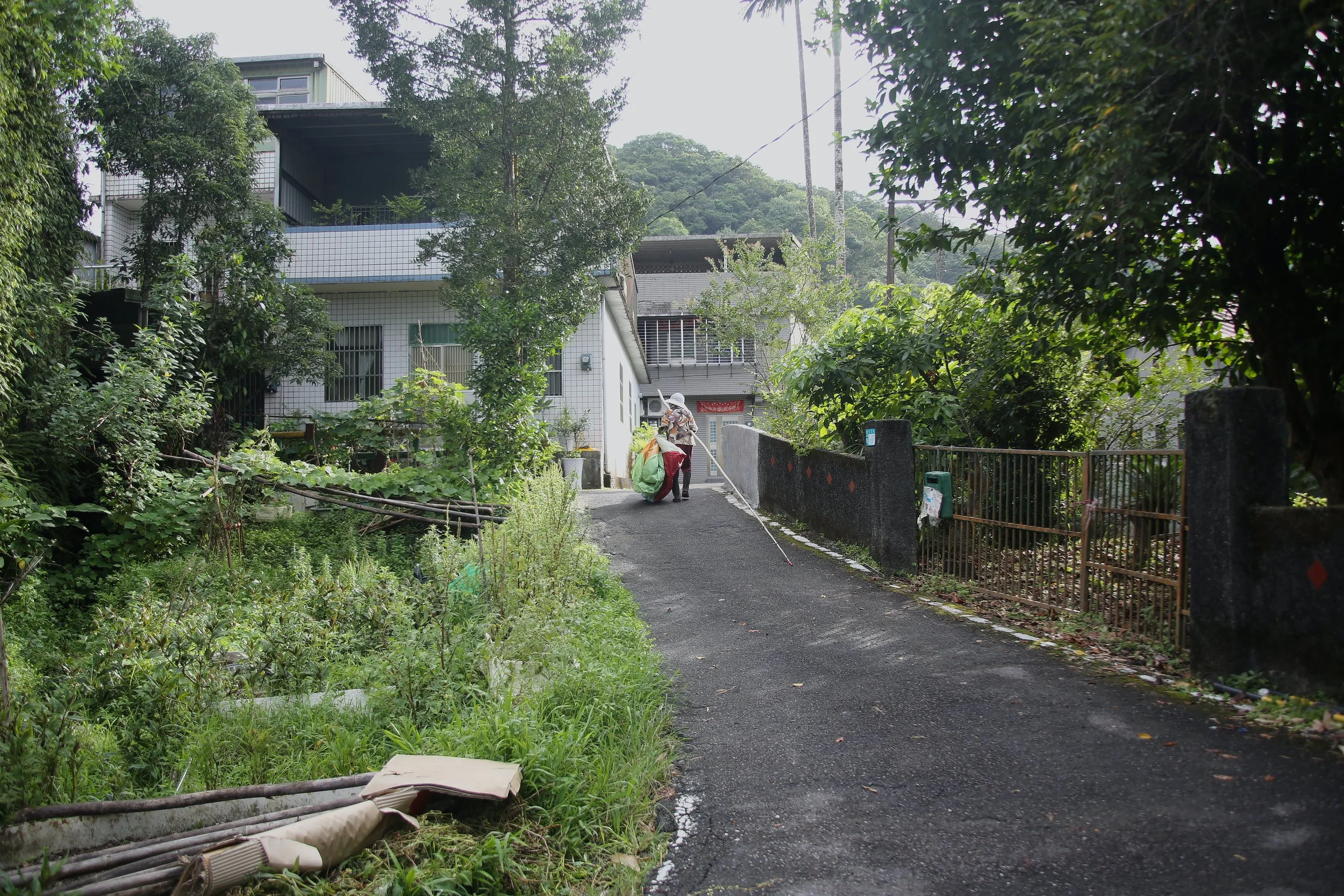
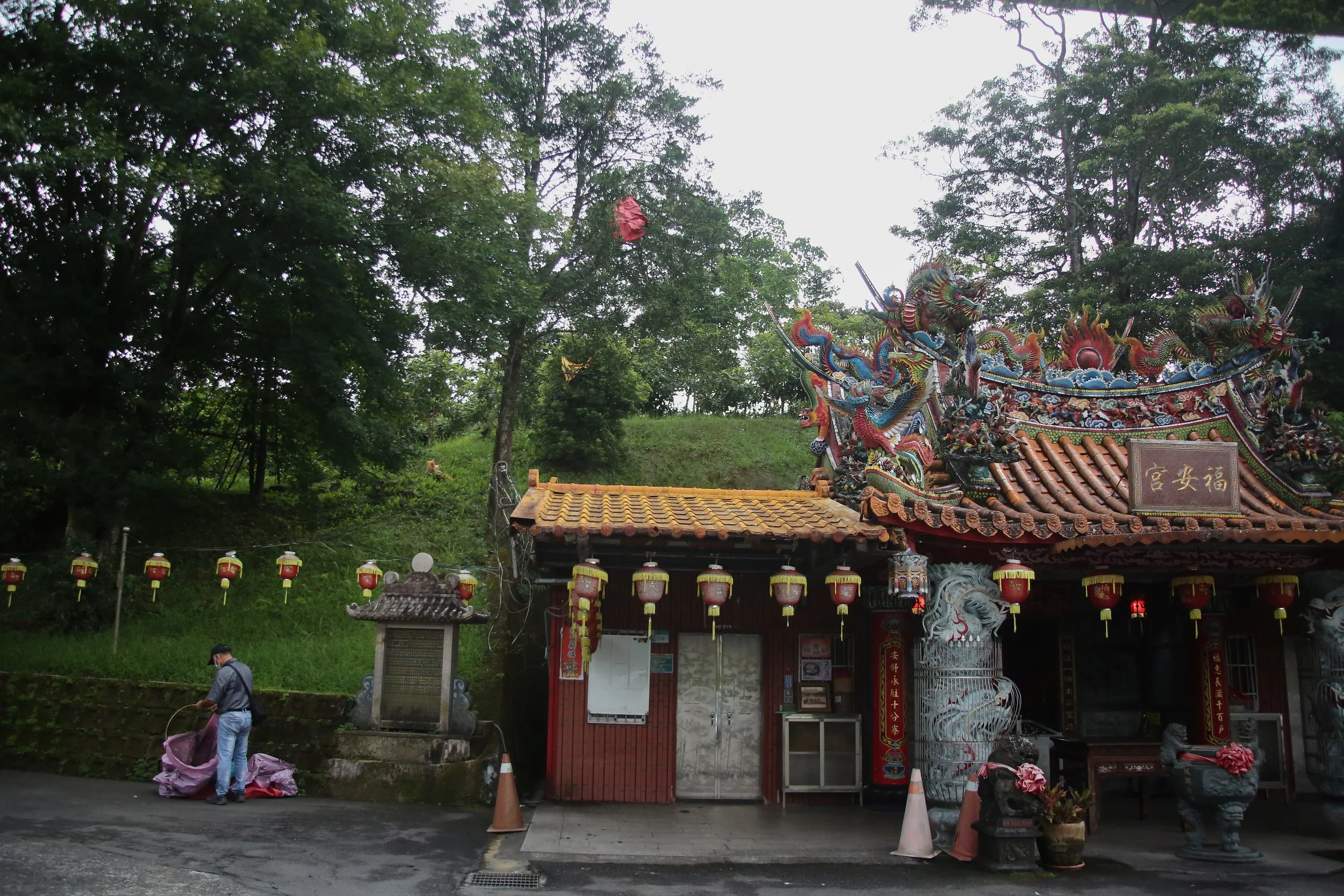
Many of Shifen’s elderly residents now earn their living from collecting the fallen lanterns scattered across their gardens, rooftops, and temples for a small recycling fee.
The activity has created a delicate balance in the region: residents rely on the sky lanterns and tourists for income, but the activity creates a seemingly endless amount of trash extending far beyond Shifen 十分 and into the nearby mountains.
For everything that goes up, will eventually come back down.